
How Construction Surveys Keep Expanding Residential Communities Connected to Existing Infrastructure
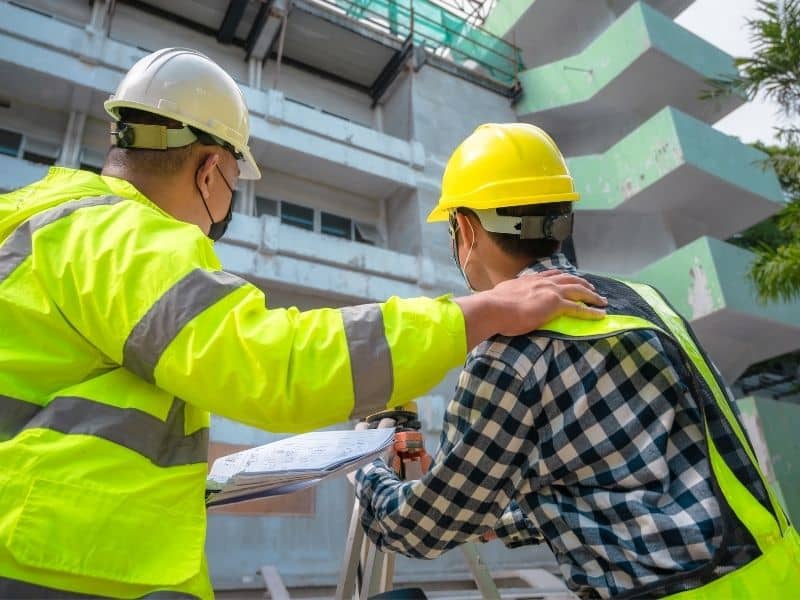
New neighborhoods grow from the edge of what’s already built. Roads, water lines, and power don’t appear from scratch. They connect to systems that were put in years before the first new house went up. When those connections are off, the whole neighborhood feels it. Streets that don’t line up right. Utilities that don’t meet where they should. Construction surveys are what keep all of that accurate from the very first day of work.
Why New Neighborhoods Depend on Accurate Tie-In Points to Existing Roads and Utilities
Every new community starts at a stopping point. The paved road ends somewhere. The water line stops at a certain spot. The power grid reaches an edge and goes no further. New construction picks up right there, and connecting to those endpoints cleanly is one of the first things a construction survey takes care of.
A street that meets an existing road at the wrong angle causes problems for every block that comes after it. A water line that misses its connection point needs to be corrected before work can keep moving. Small errors at the start don’t stay small. They grow as the project pushes further out. Construction surveys put reference points in place that tie new work to what’s already there, so the project builds from a solid, accurate base from day one.
How Construction Surveys Help Maintain Smooth Traffic Flow Between Established and New Communities
A new neighborhood that doesn’t connect well to surrounding roads creates daily problems for the people living in it. Intersections that don’t line up. Entrances placed where drivers can’t see clearly. Streets that push traffic onto existing roads without enough room to handle it. These issues don’t always show up on a plan. They show up when real people try to drive through the finished neighborhood.
Construction surveys help place streets in ways that work with surrounding roads instead of creating problems at every junction. New intersections meet existing streets at the right angle and the right height. Neighborhood entrances go where they actually fit the road network around them. That kind of placement doesn’t happen by guessing. It comes from survey work that ties new street layouts to real, recorded positions before any paving starts.
Why Utility Systems Need Shared Reference Points as Residential Growth Continues
Water lines, sewer pipes, storm drains, and power runs don’t all go in at once. Different crews handle different systems on different schedules. One crew lays sewer pipe while another plans the water main route. A third crew grades for storm drainage while electrical work is still weeks away. Each system moves at its own pace, but all of them have to end up in the right place when they eventually meet.
Construction surveys give every crew the same reference points to work from. The sewer crew and the water crew both tie to the same recorded base, so their work fits together when the two systems meet. Without that, systems installed by different crews at different times can end up slightly off from each other. Fixing that means digging things back up, which costs time and money nobody planned for. Shared survey control keeps everything lining up the way it should from the start.
How Construction Surveys Support Community Features Beyond Homes and Streets
Homes and streets are the obvious parts of a new neighborhood. But parks, walking trails, retention areas, and public spaces are what make a community feel like more than just houses on a grid. Those features need to fit into the overall plan just as accurately as streets and utility lines do.
Here’s where construction surveys help get those features placed correctly:
- Park boundaries get set so open space doesn’t overlap with lot lines or utility paths
- Walking trails get positioned to connect naturally with street crossings and nearby paths without gaps
- Retention areas get placed and graded to the right levels so they work the way the drainage plan calls for
- School sites and public spaces get laid out so future buildings and parking fit within the planned area
When those features land in the right spots from the start, the neighborhood works as a whole instead of feeling like separate pieces that don’t quite connect.
Why Consistent Survey Control Helps Communities Grow Without Losing Continuity
Large residential communities take years to finish. Phase one goes in first, then more sections follow as demand grows. Each new section has to connect to what came before it, and those connections have to stay accurate even when years pass between phases.
Good survey control makes that possible. Reference points set during the first phase don’t go away. They stay in place and carry into every phase that follows. Streets in phase three line up with streets in phase one because both were built from the same base. Utility connections match up because every crew uses the same reference points. The neighborhood character that residents see in the earliest sections carries through into newer ones because the layout stayed consistent throughout. That doesn’t happen by chance. It comes from survey control set up carefully at the beginning and kept through every stage of growth after that.
Frequently Asked Questions
What is a construction survey?
It provides the layout and positioning information used to place roads, utilities, and other improvements accurately during development.
Why are construction surveys important when communities expand?
They help new streets and utility systems connect properly with existing infrastructure already serving nearby neighborhoods.
Who typically uses construction surveys?
Developers, contractors, engineers, builders, and project managers all rely on construction surveys throughout the building process.
Can construction surveys help with parks and community amenities?
Yes. They support accurate placement of trails, retention areas, parks, and public spaces as communities grow and new features get added.
Do construction surveys only benefit the first phase of a project?
No. Reference points set early carry forward and support future phases, infrastructure connections, and neighborhood growth for many years after the first section is built.
