
Property Line Markers: Why They Matter
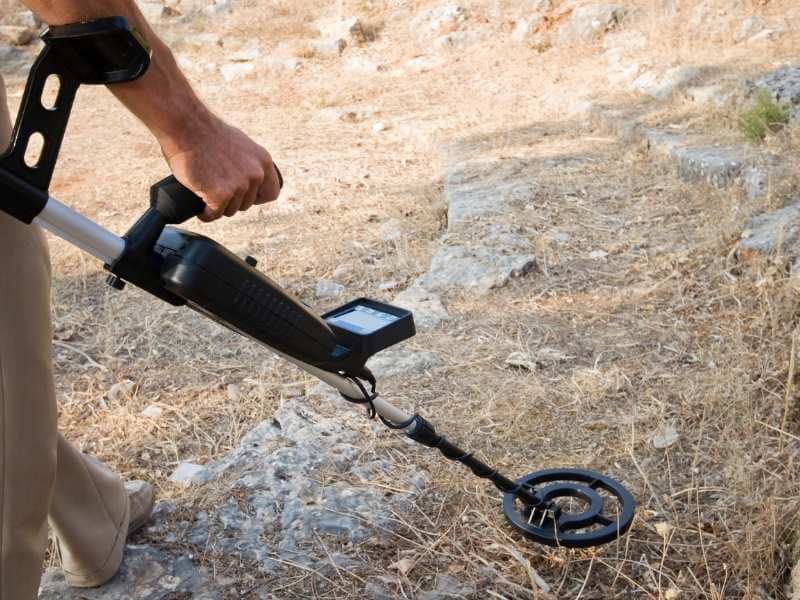
Most property owners have never seen their property line markers. They’re often buried just below the surface, hidden under grass, or swallowed by years of overgrowth. But those small metal pins and rods are doing an important job. Property line markers establish the physical, on-the-ground location of your boundaries. They’re what a surveyor sets when the fieldwork is done, and they’re what the next surveyor looks for when any future work needs to be done on your land.
Understanding what these markers are, how to find them, and why protecting them matters can save you from disputes, delays, and unexpected costs.
What Property Line Markers Actually Are
A property line marker is a physical object placed at a corner or along the boundary of a parcel to show where the legal line sits. They come in a few common forms.
Rebar pins are the most common type on residential and rural properties. A licensed surveyor drives a solid iron rod into the ground, typically 18 inches long and half an inch in diameter. The top of the rod is fitted with a small metal or plastic cap stamped with the surveying firm’s name and license number. That cap is what identifies the marker as a professionally placed monument.
Iron pipes work the same way. They’re slightly wider than rebar, at least three-quarters of an inch in diameter, and also carry a cap with identifying information. Both rebar and iron pipes are typically driven flush with the ground or just slightly below the surface, which is why they’re easy to miss.
Wooden stakes and flagging are temporary. Surveyors place them during fieldwork as visual references, often with brightly colored ribbon or paint. They mark approximate locations for field crews and property owners but are not permanent monuments. They should not be treated as official boundary markers.
Concrete monuments appear on older properties and public land boundary work. They’re larger, more durable, and often found at section corners or municipal boundaries.
Under Kentucky Administrative Regulations (201 KAR 18:150), the marks and monuments set by a licensed professional land surveyor constitute the actual boundary survey. The plat, the paper document you receive, is a representation of what those physical markers establish on the ground.
Why Markers Go Missing
Markers disappear more often than most property owners realize. Some of the most common reasons include:
- Landscaping and grading work. Contractors moving soil, installing irrigation, or grading a yard can unknowingly bury or displace a pin. This happens frequently during construction and renovation projects.
- Tree and root growth. On older rural parcels, roots can shift or cover pins set decades ago. Vegetation growth can make them nearly impossible to locate without a metal detector.
- Erosion. In areas with sloped terrain or poor drainage, soil movement can shift markers or cover them entirely over time.
- Accidental removal. A fence installer, excavator, or even a homeowner clearing brush can pull a pin without realizing what it is.
- Intentional removal. It happens. A neighbor who believes the marker is in the wrong place, or who wants to quietly gain a few feet, may move or remove a marker. In most states, including those with statutes consistent with general principles applied in Kentucky, intentionally removing or destroying a survey monument is a criminal offense, typically classified as a misdemeanor.
How to Find Your Property Line Markers
If you want to locate your markers without hiring a surveyor, a metal detector is the most practical tool. Most iron pins and rebar are buried six to ten inches below the surface, sometimes deeper if they’ve been covered by grading or landscaping over the years.
Your recorded plat, the survey map filed with the county, shows where corners are located relative to other landmarks and measurements. If you have a copy of your deed and plat, you can use the dimensions listed to estimate where the markers should be and focus your search from there.
A few things to keep in mind:
- Finding a piece of metal doesn’t always mean you’ve found a corner pin. Old pipes, buried hardware, and construction debris can all trigger a metal detector.
- A pin without an identifying cap may not be a licensed surveyor’s monument. Any rebar you find should have a stamped cap to confirm it was set professionally.
- If you find a pin that appears damaged, shifted, or out of position based on your plat, don’t move it. Contact a licensed surveyor to evaluate it before taking any action.
What Happens When Markers Are Lost
When a property line marker is missing, the boundary it established doesn’t disappear. The legal description in your deed still defines your property. But without the physical marker in place, confirming exactly where that line sits on the ground requires a licensed surveyor to do additional research and fieldwork.
A surveyor will review the original plat, check neighboring property records, look for related monuments in the area, and take field measurements to reestablish the missing corner. Once confirmed, a new marker is set in the proper location and the plat is updated.
This process takes time and costs money. It also creates temporary uncertainty, which matters most when a fence, a structure, or a property sale is involved. Keeping your markers in place and documented avoids that situation entirely.
Why Markers Matter for Fences, Additions, and Sales
Property line markers have practical consequences beyond legal formality.
Before you install a fence, pour a concrete pad, or build any structure near the edge of your property, you need to know where your line actually sits. Building on or over a property line creates legal and financial problems that are much harder to fix after construction than before.
When you sell your home or land, the title process may involve confirming boundary locations. A missing or disputed marker can slow a closing, trigger the need for a new survey, or raise questions that give a buyer pause.
In Warren County and across South Central Kentucky, properties in older neighborhoods and rural areas sometimes carry decades of accumulated improvements, fences, and landscaping that don’t align with the legal property line. Markers, when they’re present and accurate, are what cut through that ambiguity.
Frequently Asked Questions
Can I place my own markers to show where I think the line is?
You can place temporary stakes for your own reference, but they carry no legal weight. Only markers set by a licensed professional land surveyor constitute an official boundary monument. Placing your own pins and treating them as official boundaries can create confusion for future surveys and potentially lead to disputes.
My neighbor’s surveyor placed a pin I disagree with. What can I do?
You can hire your own licensed surveyor to evaluate the location. Two surveys don’t always produce identical results, particularly on older parcels with incomplete records. If there’s a genuine conflict, a real estate attorney can advise on the appropriate path. Do not move or remove the disputed pin.
How long do survey markers last?
Iron and steel markers last for decades under normal conditions, though they can rust and degrade over very long periods. The bigger risk is not deterioration but displacement through construction, landscaping, or erosion. A marker still in the ground from a survey done 30 years ago may be perfectly valid, provided it hasn’t been moved.
Do I need to mark my property line markers so they’re visible?
There’s no legal requirement to keep them visible above ground. But if you know where they are, it’s practical to note their locations in your property records and check on them periodically, especially before any construction or landscaping work begins near the edges of your property. A small flag or marker placed nearby during active work can help crews avoid accidentally disturbing them.
